Helo Tea

精選上萬款茶類,從古法茶到現代拼配,由專家嚴格把關,口感香氣回味無窮。


Email
Welcome for your valuable comments. Please leave your name, phone number, e-mail address, product name or feedback. We will get back to you as soon as possible. Thank you.
內容
圖片上傳
圖片上傳.img
檔案上傳預視
驗證碼
圖形驗證碼
品牌The
Brand
mountain tea
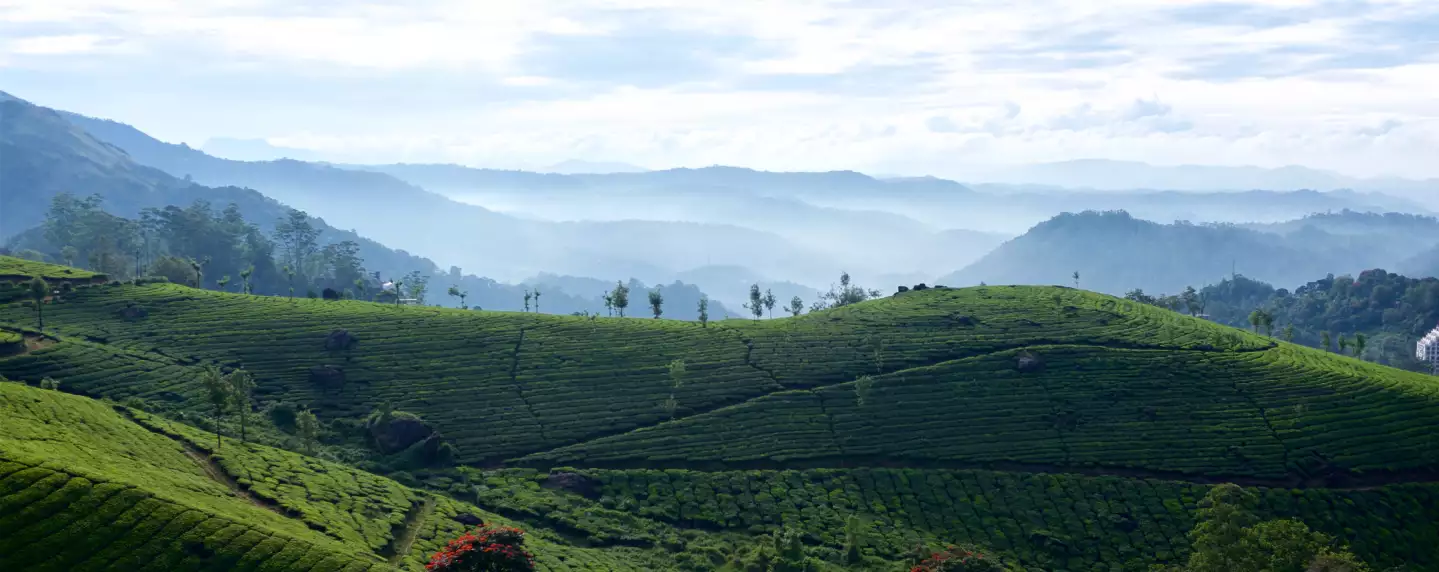
It is recognized that the altitude of tea plantation determines if it is called high mountain tea or not in Taiwan. Yet that how high is high enough is still a question. Some claim that the altitude of 800 meters should be good enough. But most of people consider that tea growing in the areas higher than 1000 meters is high mountain tea. But Dong Ding Oolong tea grown at the height of 800 meters and Dayu Ling tea grown at the height of 2600 meters are both called Taiwan high mount tea.

One of the reasons that high mountain tea is so popular is because it is successfully promoted and, most of all, the most favored natural environment for growing such tea. The current tea gardens are originally forests and bamboo woods where many organic piles make the land fertile and extremely good for growing tea. In addition, the high altitude makes sure the low temperature and misty climate, plus the average hours of sunlight are not too long, contribute to the reduction of stridently bitter taste because it contains catechin polyphenols, particularly epigallocatechin gallate (EGCG) and increases theanine. Furthermore, the striking temperature difference between day and night and long-term shading caused by the mist and clouds in the afternoon slow down the growing process of tea plants, which make tea leaves and buds softer, the leaves more lustrous and plumper and high density of protopectin of the tea plants.

However, growing in the high altitude also adds the difficulty for tea-picking. First of all, the high cost of labor for growing and making tea is staggering. Secondly, the best tea leaves have to be picked and processed on spot. But the misty climate and afternoon rainfalls frequently cause trouble for tea-making. Thus, the top-grade tea is only possible “by God’s grace.”

Generally speaking, high mountain tea leaves are softer and plumper. The protopectin is high in density. All these features make the tea worth several rounds of brewing without losing its flavor and fragrance. People love its aromatic flavor and sweet and rich aftertaste. Its high reputation does come with a good reason.